



Original content by: Lederpiel
Although leather is one of the oldest materials known to humanity, it continues to demonstrate that nature still holds surprises. Its capacity for innovation and its essential role in the ecological transition position it today as a strategic resource. According to the Confederation of National Associations of Tanners of the European Community (Cotance), leather is not a cheap material, but it is valuable: genuine leather embodies the fundamental principles of the EU’s bioeconomy—circularity, sustainability, and durability—and is emerging as a central player in the upcoming European Bioeconomy Strategy, expected by the end of 2025, as well as in the forthcoming Circular Economy Act.
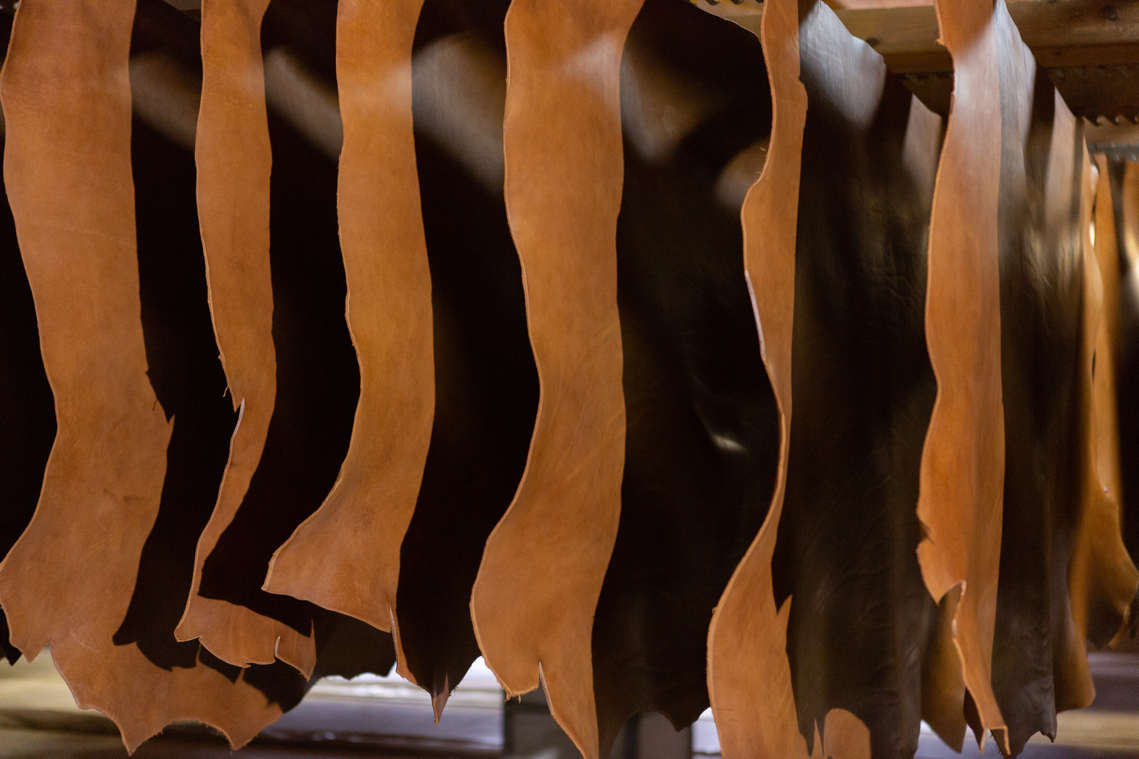
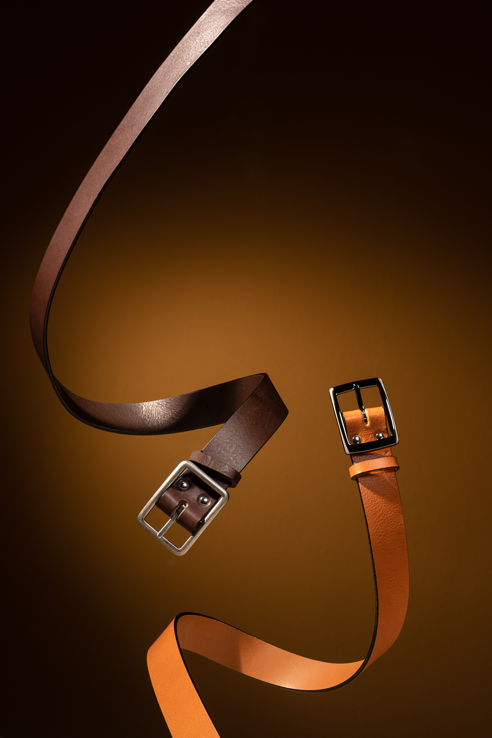
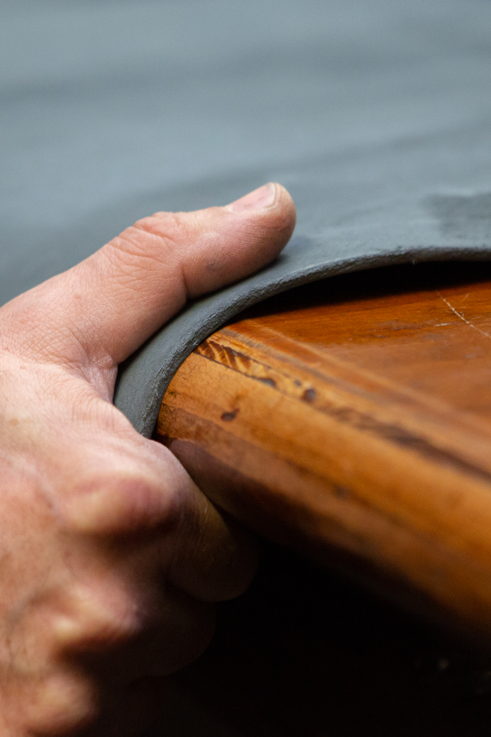
The leather sector reminds us that this material is inherently bio-based, circular, and biodegradable, with a unique contribution to a more sustainable economic model. Tanning transforms by-products from the food industry into raw materials for fashion and lifestyle, preventing them from becoming waste. Leather retains carbon dioxide throughout its long lifespan, while a well-established network of workshops extends the life of leather goods for decades. Under appropriate conditions, leather is biodegradable. Furthermore, it combines centuries of European craftsmanship with advanced technologies that enhance sustainability, traceability, and process efficiency, all aligned with the EU’s climate goals.
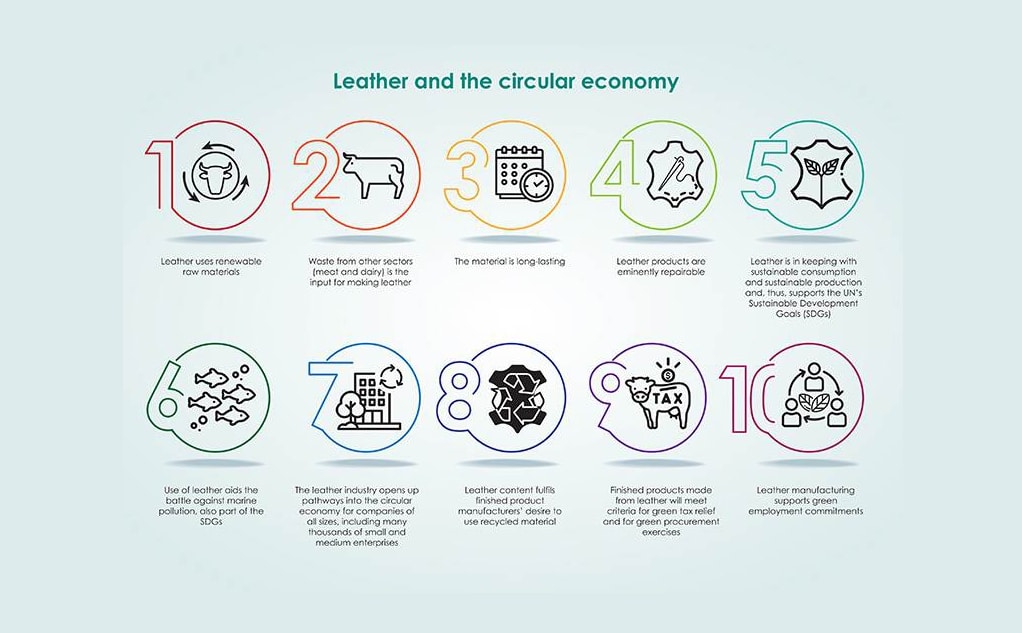
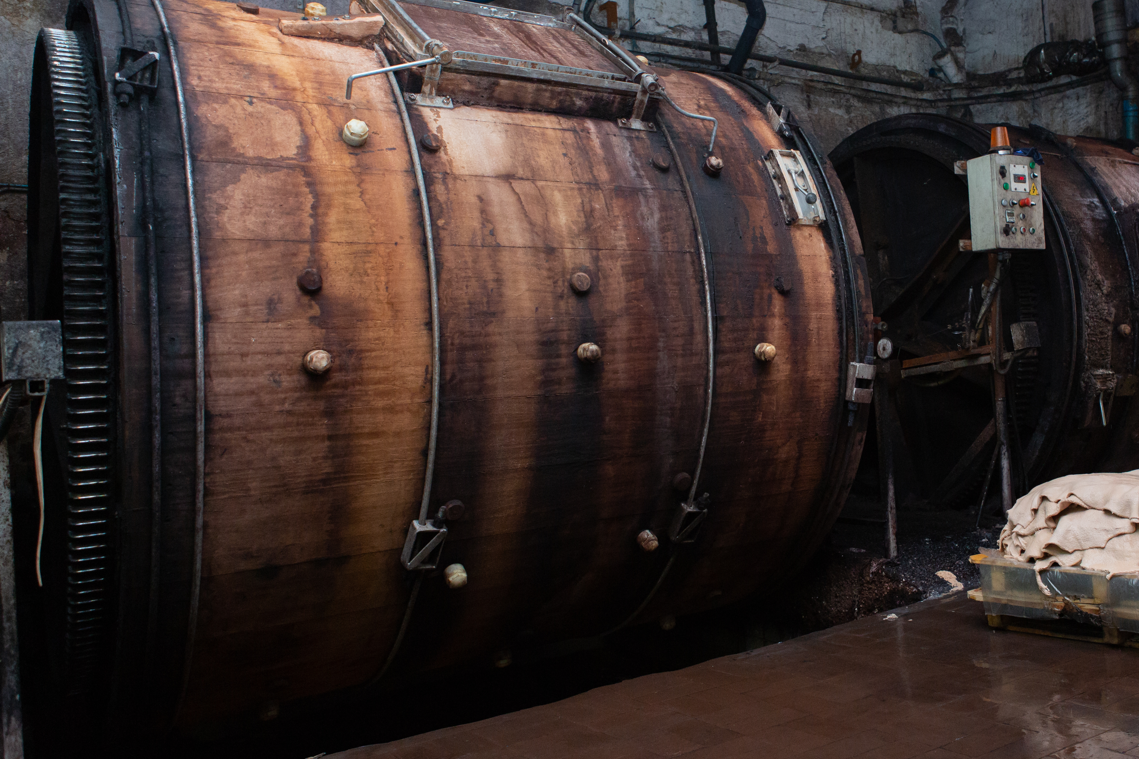
Cotance also calls on the entire leather value chain in Europe to continue leading by example, improving tanning processes, finishes, and traceability, and adopting low-impact technologies ranging from water reuse to bio-based chemicals. Innovation, they emphasize, is what makes European leather the gold standard for sustainability and craftsmanship.
You can read the original article HERE.