Original content by: COTANCE
The European leather industry continues to demonstrate its economic relevance, commitment to social responsibility, and contribution to the circular economy. The EU-funded SER2026 project, coordinated by COTANCE in collaboration with industriAll Europe, provides an overview of the sector’s key figures, sustainability credentials, and future challenges, highlighting the importance of an industry that combines traditional craftsmanship with innovation and responsible production.
According to the European Leather Industry Profile, the sector comprises approximately 1,500 tanning companies, 99% of which are SMEs, employing 30,000 people directly and supporting around two million indirect jobs throughout the value chain. With an annual turnover of €7 billion, European tanneries represent more than 25% of global leather production in value terms, supplying high-quality materials to industries such as fashion, footwear, furniture, and automotive manufacturing.
Leather’s contribution to the circular economy
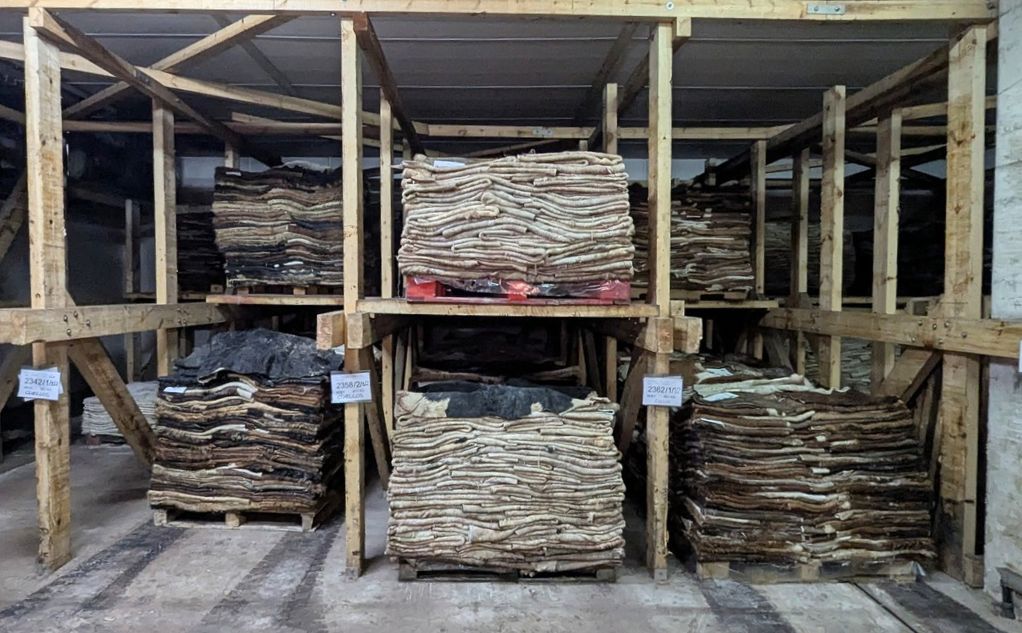
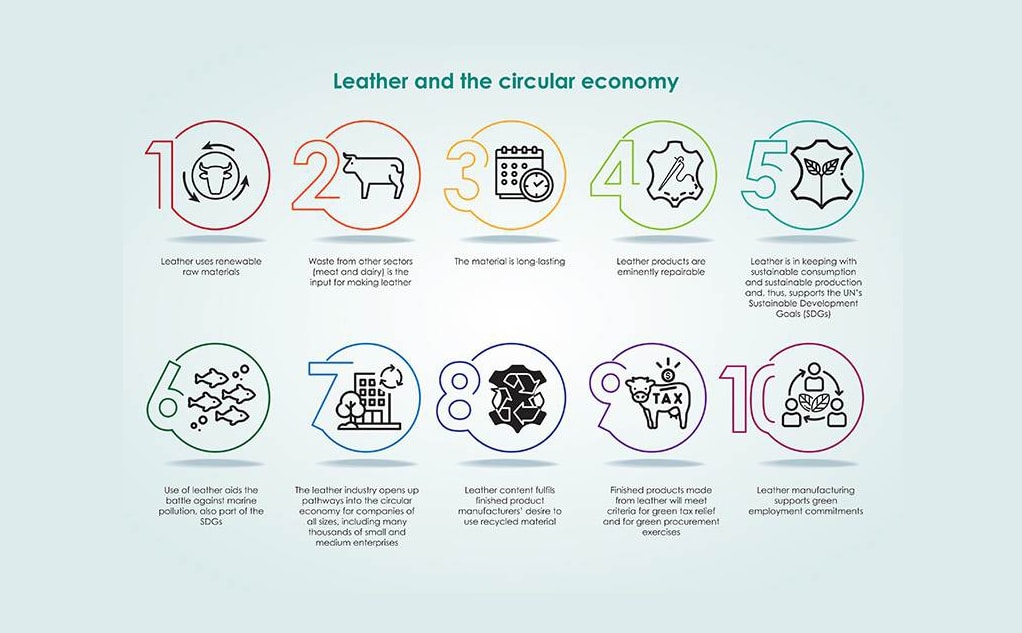
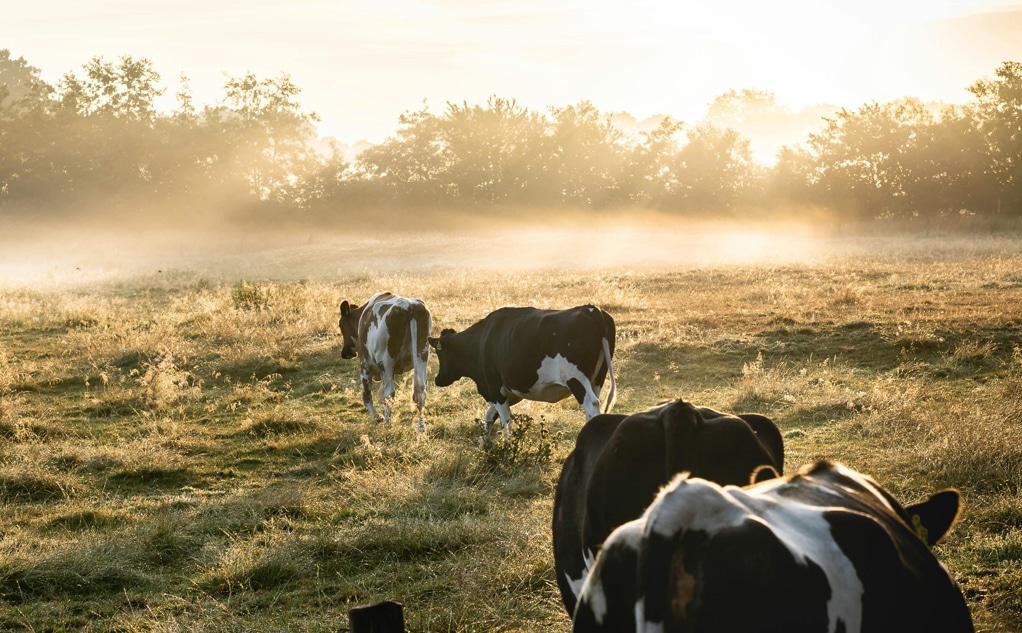
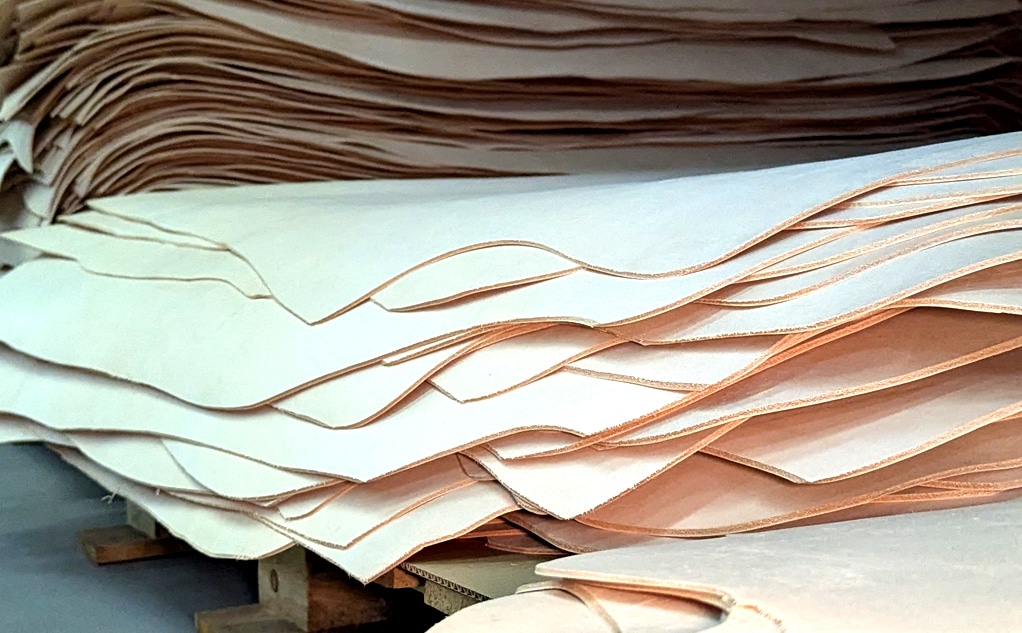
One of the main aspects highlighted by SER2026 is leather’s contribution to the circular economy. By transforming hides and skins, natural by-products of the meat and dairy industries, into valuable and durable materials, tanning helps prevent potentially useful resources from becoming waste. The report also emphasises leather’s bio-based composition, its potential for biodegradation under natural conditions, and its exceptional longevity, with high-quality leather products capable of remaining in use for generations.
A commitment to people, skills, and social responsibility
Beyond environmental sustainability, the European leather industry places great importance on employment, professional development, and the preservation of traditional craftsmanship. According to previous sector data, 90% of employees in European tanneries hold permanent positions, while training and skills development remain essential priorities. Through various EU-funded initiatives, COTANCE continues to promote social responsibility, innovation, and the transition towards a more circular economy.
Looking ahead: The Social and Environmental Report 2026
The complete Social and Environmental Report 2026, expected in 2027, will provide updated economic, social, and environmental indicators, offering a more comprehensive picture of the industry’s evolution and the challenges ahead.
At Splenda Leather, we share this commitment to combining traditional craftsmanship, innovation, and environmental responsibility. We believe that the future of leather lies in preserving our expertise while continuously improving our processes, creating high-quality materials that reflect the value of our profession and stand the test of time.